
Performance vs Price: How to Choose the Right Gaming Laptop Without Regret
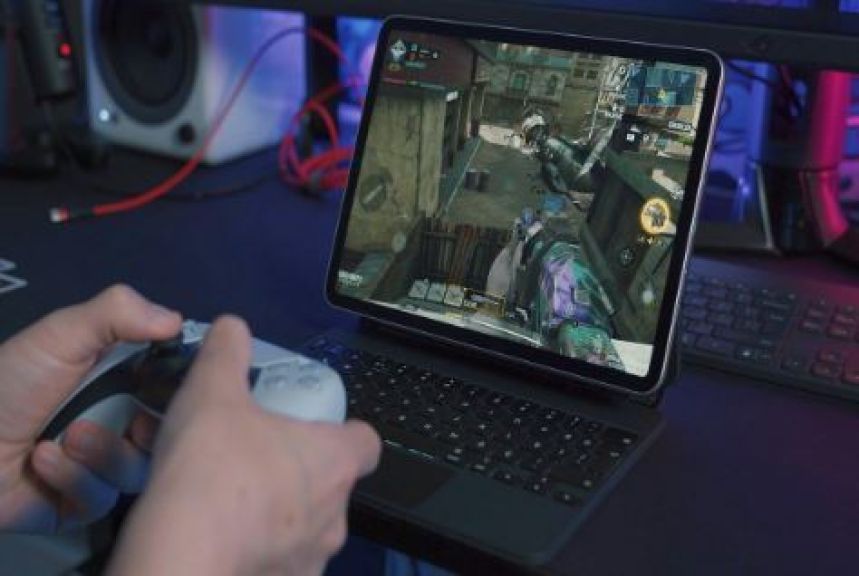
Buying a gaming laptop today is not just about choosing the most powerful machine available. It is about finding the right balance between performance and price based on your actual needs. With a wide range of configurations available, many buyers either overspend on features they never use or underspend and face performance limitations later.
Understanding how performance and price relate to each other is essential to making a smart purchase decision. This guide breaks down what truly matters so you can choose the right gaming laptop without regret.
Why Performance and Price Must Be Balanced
Gaming laptops are built with a combination of CPU, GPU, RAM, storage, and cooling systems. Each of these components directly impacts performance and also contributes to the overall cost.
Higher-performance components such as advanced GPUs and processors significantly increase the price. However, not every gamer needs top-tier specifications.
Industry benchmarks consistently show that most modern games run efficiently on mid-range GPUs when paired with optimized settings. This means spending more does not always translate to a noticeably better experience for every user.
The goal is not to buy the most expensive laptop. The goal is to buy the right configuration for your gaming needs.
Understanding the Role of the GPU
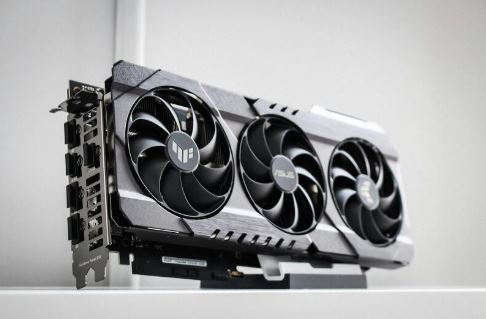
The graphics processing unit is the most important component in a gaming laptop. It determines how well your system can handle modern games, including resolution, frame rates, and graphical settings.
For example:
-
Entry-level GPUs handle esports titles and older games at moderate settings
-
Mid-range GPUs support most modern games at high settings
-
High-end GPUs enable ultra settings, ray tracing, and higher resolutions
Independent performance testing across multiple platforms consistently shows that GPU performance has the biggest impact on gaming experience compared to other components.
This is why allocating a larger portion of your budget toward a capable GPU is often the smartest decision.
CPU Matters, But Not Equally for All Gamers
While the GPU handles graphics, the CPU manages game logic, background processes, and overall system responsiveness.
Modern gaming benchmarks indicate that most games rely more heavily on GPU performance than CPU, especially at higher resolutions. However, a weak CPU can still create bottlenecks in certain scenarios, such as
-
Competitive gaming with high frame rates
-
Open-world or simulation games
- Streaming or multitasking while gaming
For a broader look at how laptops are reshaping remote work and cybersecurity trends, the conversation around portability continues to evolve.
A balanced mid-range or upper mid-range CPU is sufficient for most users. Investing heavily in a high-end processor without a matching GPU often leads to inefficient spending.
RAM and Storage Are About Usability
Most modern games require at least 16GB of RAM for smooth performance. Systems with lower memory may experience stuttering, especially when running multiple applications.
Storage also plays a role in overall experience. Solid-state drives significantly reduce load times compared to traditional hard drives. This is widely supported by real-world performance tests across gaming platforms.
While RAM and storage upgrades improve usability, they do not directly increase frame rates like GPUs do. This is why they should be balanced within the budget rather than prioritized over core performance components.
Cooling and Thermal Performance Are Often Overlooked
One of the most common mistakes buyers make is ignoring thermal design. Gaming laptops generate significant heat, and without proper cooling, performance can drop due to thermal throttling.
Thermal throttling occurs when a system reduces performance to prevent overheating. This directly affects gaming consistency and frame rates.
Reviews and hardware testing consistently highlight that laptops with better cooling systems maintain stable performance over longer sessions.
This means a slightly less powerful laptop with better cooling can outperform a higher-spec model with poor thermal management.
Display Quality Affects the Gaming Experience
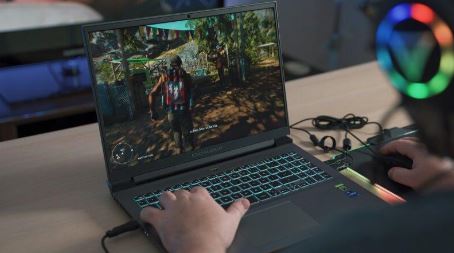
While performance determines how games run, the display determines how they look and feel.
Key factors include:
-
Refresh rate
-
Resolution
-
Response time
Higher refresh rates such as 120Hz or 144Hz provide smoother gameplay, especially in fast-paced games. This is widely recognized in competitive gaming environments where smoother visuals improve tracking and responsiveness.
Choosing a high-refresh-rate display is often more impactful for gameplay experience than pushing for maximum graphical settings.
Battery Life and Portability Considerations
Gaming laptops are designed for performance, which often comes at the cost of battery life. High-performance components consume more power, leading to shorter usage times when unplugged.
Most real-world usage tests show that gaming laptops deliver limited battery performance during intensive tasks. This means buyers should consider how they plan to use the device.
If portability is important, a balanced configuration may offer better usability compared to a high-performance system with heavy power consumption.
The Risk of Overpaying for Unused Performance
One of the biggest challenges in buying a gaming laptop is avoiding unnecessary spending. Many users are influenced by top-tier specifications without considering their actual usage.
For example:
-
Ultra settings are not necessary for all games
-
Ray tracing features may not be widely used by casual gamers
-
High-end GPUs often provide diminishing returns for mid-level gaming
Market pricing trends show that premium configurations carry a significant price increase compared to mid-range models, often without proportional real-world benefits for average users.
This is why evaluating your gaming habits is essential before making a purchase.
How to Identify Real Value
Finding value is about understanding what you get for the price. Instead of focusing only on specifications, consider:
-
Performance consistency
-
Build quality
-
Thermal efficiency
-
Display experience
Reliable sources such as hardware reviews, benchmark comparisons, and user feedback provide valuable insights into real-world performance.
Exploring trusted platforms offering verified gaming laptop deals can also help you compare configurations and pricing effectively. This ensures you are not overpaying for similar specifications available at better value.
Why Smart Buyers Focus on Balance

The best gaming laptop is not the most powerful one. It is the one that delivers consistent performance within your budget.
Smart buyers focus on:
-
Matching GPU performance with their gaming needs
-
Choosing a balanced CPU
-
Ensuring proper cooling
-
Prioritizing display quality for smoother gameplay
This approach reduces the risk of regret after purchase and ensures long-term satisfaction.
Final Thoughts
Choosing the right gaming laptop is about making informed decisions, not chasing specifications. Performance and price must work together to deliver value.
Overspending does not guarantee a better experience, and underspending can lead to limitations. The key is to understand your requirements and invest where it matters most.
By focusing on real-world performance factors such as GPU capability, thermal efficiency, and display quality, you can make a confident decision that meets your needs.
Taking the time to evaluate options, compare configurations, and explore reliable gaming laptop deals will help you find the perfect balance between performance and price without regret.
