
How Arab Markets Are Transforming Business and Innovation Across the Middle East Today
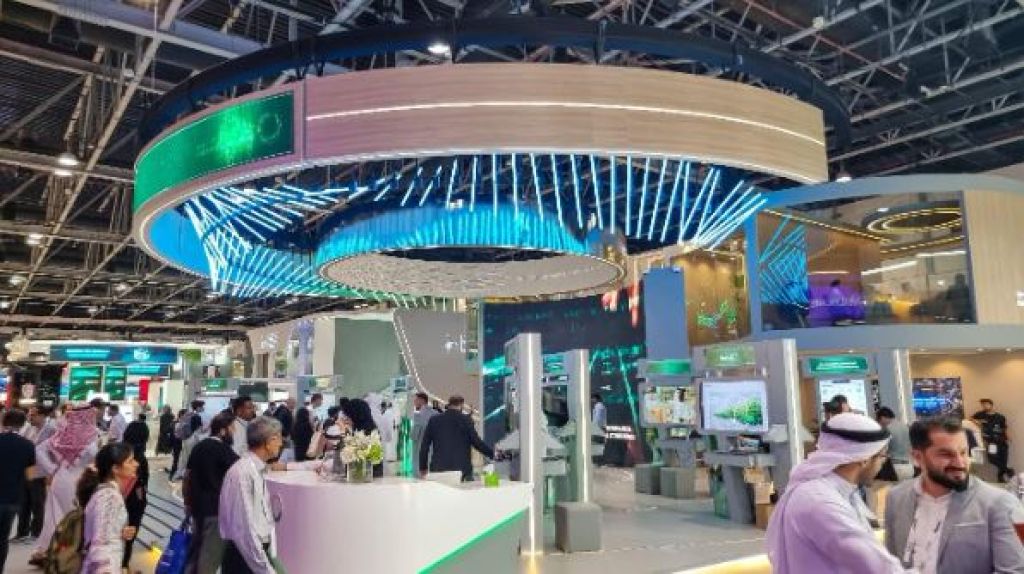
Gone are the days when the Middle East was considered an emerging market. The Middle East markets we know today have developed, accelerated, and redefined themselves at a pace that has caught the attention of investors, tech giants, and entrepreneurs worldwide.
The markets of the Arab world, spanning the Gulf Cooperation Council countries to Egypt, Jordan, and beyond, are gearing up for a new wave of economic change that is changing the way business is conducted in the region, as well as internationally. Central to this change is a mix of innovative government policy, a rising youth population, investments in digital infrastructure, and a culture that long yearned for innovation that's finally being directed towards enterprise at scale. In this rapidly changing region of the Arab world, companies providing services in the UAE are helping businesses navigate these markets, integrate effectively, and excel in the long term.
The Economic Ambition Behind the Change
The extent of change taking over the Arab markets is best understood by understanding the ambition that is built into the national visions and policies throughout the region. Saudi Arabia's Vision 2030, the UAE's Centennial 2071 plan, Egypt's Vision 2030 and Qatar's National Vision 2030 are not mere government plans – they are applied blueprints being put into practice using sovereign budgets, regulatory reform, and institutional restructuring.
All these plans have one thing in common: an effortful shift from a hydrocarbon-based economy to a knowledge-based economy. Saudi Arabia has put hundreds of billions of dollars into giga-projects such as NEOM, the Red Sea Project and Diriyah.
They are not just buildings being built to serve the community, but rather, testing grounds for the latest smart city technology, sustainable design, smart mobility and future tourism facilities. The UAE, specifically Dubai and Abu Dhabi, has been leading the way for more than a decade, continuing to be viewed as a prominent hub for business activities.
Additionally, they have consistently welcomed foreign investment and talent, with relaxed trade regulations and world-class logistics infrastructure. What sets today's cycle of Gulf aspiration apart from past ones is action. Capital is flowing, regulation is evolving in real time, and companies are taking practical actions in international markets.
The Rise of Digital Infrastructure as a Business Catalyst
The most significant event in the last five years in the Arab markets has been the rapid increase in digital infrastructure development. Due to the rise of high-speed internet, the rollout of 5G networks, the adoption of cloud computing, and e-government platforms, the business environment in the region has undergone a significant shift.
The UAE and Saudi Arabia are now among the top 10 countries in the world on several digital indicators, and governments in both countries are driving digital transformation across the public and private sectors. This investment in infrastructure has led to a great demand for technology services, systems integration, cybersecurity, software development, and digital consulting.
This change offers a unique opportunity for businesses that offer services in the UAE in particular. The market isn't just looking for technology. Instead, it's searching for partners with a proven ability to provide end-to-end solutions that are regionally tailored and comply with regional regulations and culture.
Cloud migration, enterprise resource planning, customer relationship management, and AI-backed analytics aren’t just boardroom visions but budget items in the Gulf. Companies that specialize in providing technology-driven services in the UAE and beyond are ideally suited to leverage this supply and demand.
Shifting Consumer Behavior and the Demand for Quality Service
The Arab demographic, especially dominated by the youth who mostly make up Middle Eastern and North African countries, is one of the most digitally active in the world. Smartphone usage is particularly high, social media is used more than the global average and e-commerce has grown at a rapid pace after the pandemic.
This digitally native consumer base is sophisticated, brand-aware, and becoming more demanding about the type and level of service they expect. In the eyes of businesses, it's not just about providing a product anymore; it's about creating an experience when competing in the region.
Customer service excellence, omnichannel engagement, data-driven personalization and seamless digital interfaces have become necessities rather than mere competitive advantages. In fact, businesses that refuse to adhere to these standards can easily be left behind by local and international competitors, particularly those with expertise in local consumer behavior and markets.
This consumer shift is directly impacting demand in a range of professional business services, from marketing and branding to IT infrastructure and operational consulting. In the UAE and across the GCC, services are largely sought by businesses that recognize they cannot develop every capability in-house and need technical know-how and experience to succeed in the Gulf.
Foreign Investment and the Welcoming of Global Enterprise
Arab markets, specifically the UAE, have actively sought foreign direct investment by implementing efficient reforms. The region has become one of the most open and convenient places in the world for foreign businesses, particularly due to the introduction of 100% foreign ownership in most business sectors, the Golden Visa program and dozens of free zones offering tax benefits and a fast-track licensing process.
Dubai and Abu Dhabi are truly cosmopolitan business hubs, attracting global firms to set up regional headquarters, shared service centers and innovation labs across the cities in the Gulf. This is a great opportunity and a challenge for service providers in this environment, which can be addressed effectively by delivering customized services in the UAE, specifically suited to the unique client vision and industry requirements.
The Role of Artificial Intelligence and Emerging Technology
The region's efficient use of AI can't be overlooked in any conversation about market change. The UAE was the first country to designate a Minister of State for Artificial Intelligence, and Abu Dhabi and Riyadh have made AI a part of their national development plans. Developed by the Technology Innovation Institute, Abu Dhabi's Falcon language model has been named one of the top open-source AI models in the world, demonstrating the region's ability to do more than just adopt new technology; it's doing groundbreaking research.
In industry, AI is being used to address unique Arab problems, such as efficient water use, customer experience in financial services, and efficient logistics management in complex urban geographies. Blockchain is making a massive impact on land registration and trade finance, and robotics is impacting the warehouse, construction, and healthcare delivery sectors. The incorporation of these new technologies is fast becoming a necessity for businesses in or entering Arab markets.
Partners who are able to guide and execute AI and digital transformation efforts are sorely needed and have the power to make or break a successful market entry.
Why Now Is the Defining Moment to Engage Arab Markets
This change in Arab markets is an imminent reality, not a future prospect the business world once dreamt about. It is a window that opens doors to wonderful opportunities that benefit those who move with conviction and the right expertise at the right time.
Companies that harbor a sincere interest in local context, in establishing meaningful relations and in providing tangible value to the local market, will be part of one of the world's most exciting business stories. However, those who hesitate due to risk may also find the market has passed them by.
For organizations looking for a trusted partner to help them navigate this complex yet fruitful landscape, we offer regional expertise and technological capabilities to maximize the potential of the Arab market. Services in the UAE can make a difference, whether it's making a new entry into the UAE or expanding existing regional operations — the right partner might just be all you need to succeed.
